

Volume is the highest-leverage lever: 200 new 5-star reviews lift a typical 4.3 score to 4.6 over 6 months. Combine with response rate (12% positive-review lift per Proserpio & Zervas), recency (Trustpilot decays old review weight 50% at 24 months), and removing genuinely fake 1-stars. There are no shortcuts: TrustScore's Bayesian smoothing is designed to make manipulation slow and expensive.
The score didn't drop by accident, but it can be fixed
If your Trustpilot score is below 4.0 and dragging your conversion down, the path back is well-trodden. We've worked with 50+ Shopify stores that recovered from scores under 3.0 to above 4.5, and the playbook is consistent: aggressive new review collection, targeted flagging, and root-cause CX work running in parallel.
This guide covers the 8 actions that actually move a stuck Trustpilot score, ranked by impact-to-effort. The ones that don't work (asking Trustpilot to manually adjust, threatening reviewers, gaming the algorithm) are at the end so you know to skip them.
Trustpilot's help center on increasing reviews. The official guidance is correct but slow. The 8 actions in this guide combine official methods with operational tactics that compound faster.
The 8 actions that fix a low Trustpilot score
1. Run a 90-day active collection sprint (highest leverage)
The biggest single lever is volume. Going from 100 reviews to 500 reviews of the same average rating raises your TrustScore by ~0.15 points just from Bayesian dilution (the prior smoothing matters less as your sample grows). Active collection beats passive 5-8x.
Concretely:
- Send timed invitations 7-14 days after delivery (not after order)
- Use the founder voice (42-45% open rate vs 14% for "Leave us a review")
- Multi-channel: email + WhatsApp + SMS at staggered intervals
- Target 8-15% of orders converting to reviews (the active-collection benchmark)
Full playbook: see our 9-tactic Trustpilot review collection guide, and pair it with how to get more 5-star reviews on Trustpilot to bias each new invite toward a top rating.
2. Pre-filter with NPS to bias the new reviews positive
This is the single highest-leverage tactical move (and the most overlooked). Instead of inviting all customers to leave a public review, send an NPS survey first ("How likely are you to recommend us?"). Then:
- 9-10 promoters: invite to Trustpilot publicly. Pre-qualified for 5-star.
- 7-8 passives: send a private feedback request, no public review prompt.
- 0-6 detractors: route to a private feedback portal where they vent to you, not Trustpilot.
This is not "review gating" in the deceptive sense (which Trustpilot's TOS prohibits). You're not blocking detractors from posting; you're just not actively recruiting them. Most won't bother once they've vented privately. Use our free NPS calculator for the math.
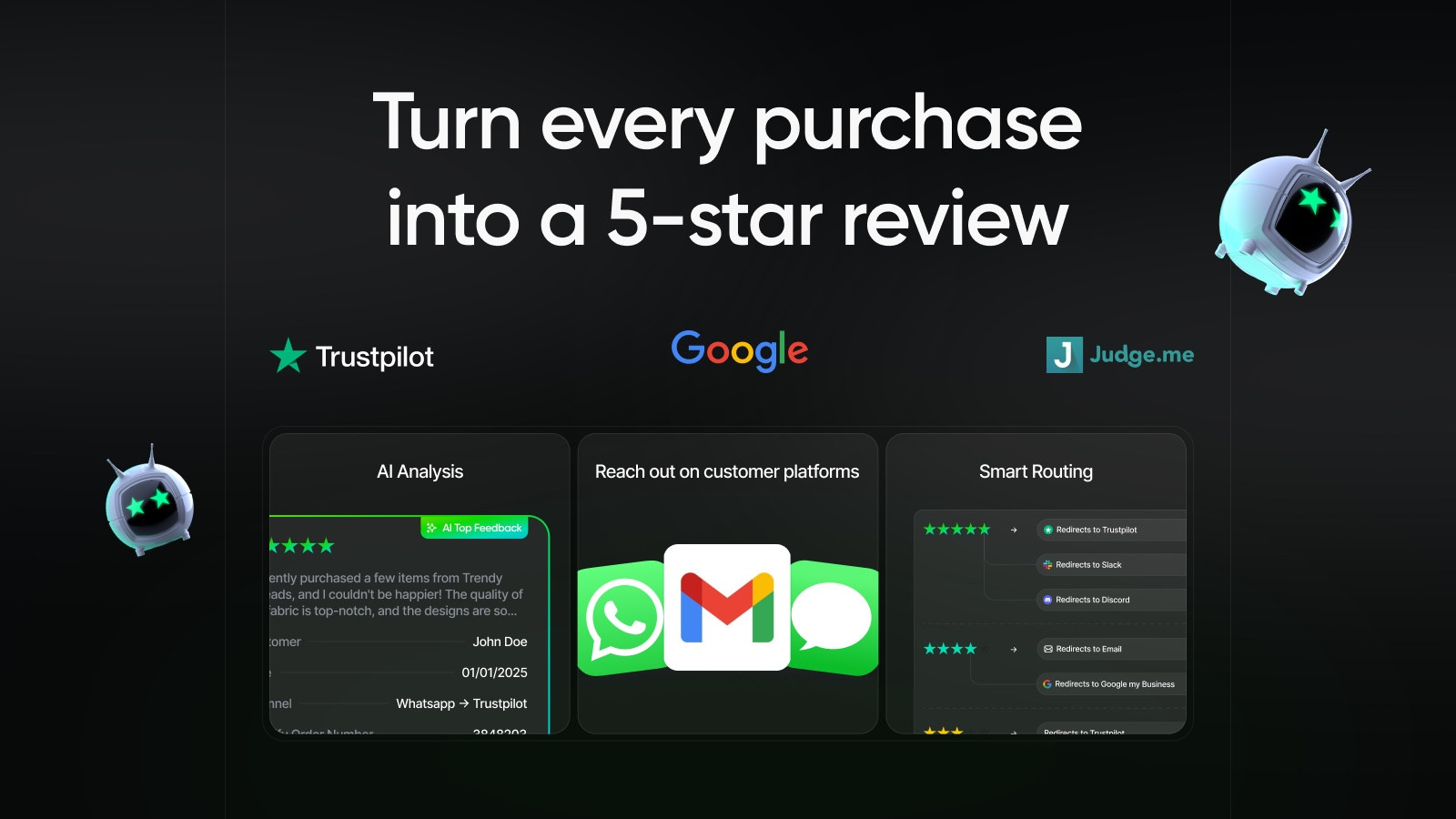 |
| Reviewz.ai for Shopify automatically routes happy customers to leave reviews on Trustpilot, Google, and Judge.me, while privately catching unhappy ones in a feedback portal before they post a public 1-star. Re-engage every reviewer with upsell offers via WhatsApp, email, and SMS. Install Reviewz on Shopify |
3. Flag genuinely fake negative reviews
If your low score includes reviews that aren't from real customers (competitor-driven, no order match, AI-generated), flag them through Trustpilot's "Flag review" button on each individual review. Trustpilot removes around 35-65% of validly-flagged reviews within 5-14 days.
The evidence format that works: order data showing no match, profile pattern analysis (multiple negative reviews about competing businesses), and the linguistic signals our free fake review checker identifies.
Step-by-step removal process: see our guide on removing fake Trustpilot reviews.
4. Reply to every negative review (yes, even months later)
Proserpio & Zervas (2017) documented in Marketing Science that businesses responding to negative reviews see a 12% increase in positive reviews going forward. The mechanism: future readers scan your responses as a proxy for how you'd treat them.
If you have unanswered 1-2 star reviews from months or years ago, reply now. Use the L.A.S.T. framework (Listen, Apologize, Solve, Thank) to draft each one. Even a thoughtful 6-month-late response beats no response.
5. Display your existing reviews prominently on your store
Trustpilot's public profile lives on trustpilot.com, but you can embed widgets on your Shopify store via the free Liquid section we generate at trustpilot-section-shopify. Customers who see Trustpilot widgets on your product pages and footer are significantly more likely to leave their own review post-purchase, creating a reciprocity loop.
6. Address the root cause behind negative reviews
If your score dropped because shipping is genuinely slow, customer service is genuinely poor, or your product has a defect rate above 5%, no amount of clever review collection will outpace the underlying complaint flow. Use our free sentiment analyzer on your last 100 reviews to identify the dominant complaint themes.
Then fix them. A 30-day push to reduce shipping delays, retrain CX, or fix a product defect typically shows up in your TrustScore within 60-90 days as new positive reviews replace the complaint pattern.
7. Use Trustpilot's Invitation Service (paid plan)
If you're on the free plan and recovering from a low score, the Trustpilot Standard plan (~$99/month) accelerates everything: API-based bulk invitations (vs 100/month manual cap on free), the green "Verified" badge on collected reviews, and faster review-flag SLAs. Wiring those automatic invites into Shopify is walked through in the complete Trustpilot Shopify integration guide. Whether it's worth $99/month depends on your AOV and order volume, see our Trustpilot pricing breakdown.
8. Let time decay do its work
Trustpilot's TrustScore weights recent reviews more than old ones. Reviews older than 12 months get ~70% weight, 24+ months ~45%, 36+ ~30%. So even without flagging, an old bad review from 2 years ago has roughly half the impact of a recent one. Combined with active collection of new positive reviews, time naturally improves your score over 12-24 months.
|
| Reviewz.ai for Shopify automatically routes happy customers to leave reviews on Trustpilot, Google, and Judge.me, while privately catching unhappy ones in a feedback portal before they post a public 1-star. Re-engage every reviewer with upsell offers via WhatsApp, email, and SMS. Install Reviewz on Shopify |
How fast can you realistically recover?
| Starting score | Target | Realistic timeline | What it takes |
|---|---|---|---|
| 2.0-3.0 | 3.5 | 30-60 days | Active collection at 5-8% conversion + addressing CX issues |
| 3.0-3.5 | 4.0 | 60-90 days | Active collection + NPS pre-filtering + replying to all reviews |
| 3.5-4.0 | 4.5 | 6-9 months | Sustained 8-12% review-collection rate + flagged fake removal |
| 4.0-4.5 | 4.7 | 9-12 months | Maintenance + CX excellence (negative review rate <3%) |
| 4.5-4.8 | 4.9 | 18+ months | Near-zero negatives + ongoing volume, most stores never reach |
The 4.9+ tier is rare and slow because it requires near-perfect customer experience plus continuous collection. 4.5 with 1,000+ reviews is more credible to consumers than 4.9 with 50 reviews, so don't chase perfection at the expense of volume.
Use the recovery calculator
For your specific numbers, use our free recovery calculator. Enter your current score, total review count, and target score; it returns the exact number of 5-star reviews needed to reach the target, plus milestones at 25/50/75/100% recovery. The math is the actual Bayesian formula Trustpilot uses, not an approximation.
What doesn't work (skip these)
Asking Trustpilot to manually adjust your score
Trustpilot's policy is clear: scores are algorithmic, never manually adjusted. The trust team will remove specific reviews under valid grounds, but they won't boost or reset a score. Don't waste support tickets asking.
Buying "Trustpilot review boost" services
Illegal under FTC rules (since August 2024), automatically detected by Trustpilot's TrustMine algorithm, removed within 2-4 weeks, and triggers a public warning flag on your profile. Read the full breakdown in our guide on buying Trustpilot reviews (and why you shouldn't).
Threatening reviewers or filing baseless legal challenges
Customers screenshot threatening responses and post them on Reddit. "This brand threatened to sue me for a 1-star review" goes viral reliably. Save legal action for genuine defamation cases, not unfair-feeling but legal reviews.
Switching to a different review platform
You can't take your reviews with you (Trustpilot reviews live on trustpilot.com, you don't own them). And starting from zero on a different platform doesn't fix the brand-level perception problem. If you're still weighing whether the platform fits your store at all, our primer on what Trustpilot is covers the trade-offs. Use multiple platforms in addition, not as a replacement.
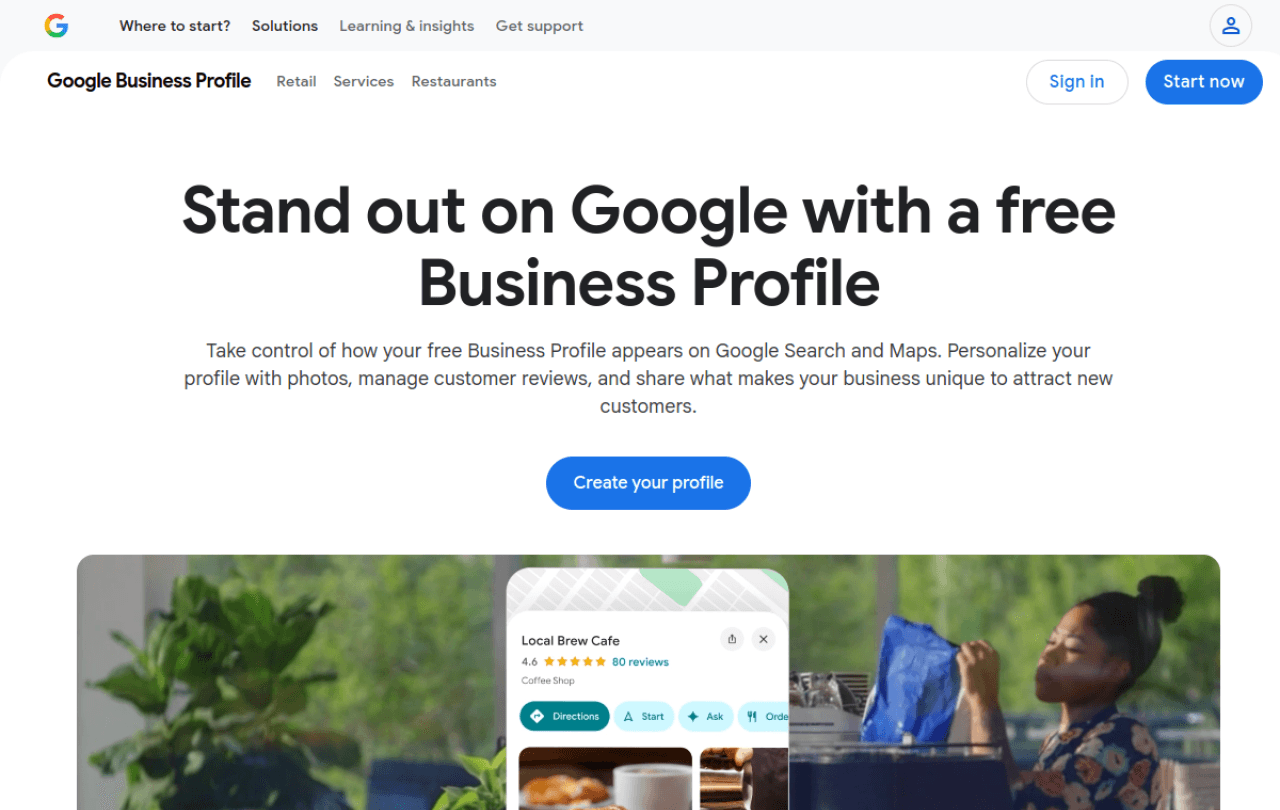
A second platform also widens the surface where your rating shows up. Google star ratings render directly in organic search results and Google Shopping, and BrightLocal's 2024 Local Consumer Review Survey found Google is the review site consumers check most (used by 81% of them), so a healthy Google profile compounds the recovery work you do on Trustpilot.
|
| Reviewz.ai for Shopify automatically routes happy customers to leave reviews on Trustpilot, Google, and Judge.me, while privately catching unhappy ones in a feedback portal before they post a public 1-star. Re-engage every reviewer with upsell offers via WhatsApp, email, and SMS. Install Reviewz on Shopify |
The bottom line
A low Trustpilot score is a process problem, not a PR problem. The recovery formula: active collection + NPS pre-filtering + responding to existing reviews + flagging genuine fakes + fixing root-cause CX issues. Run all five for 90 days and almost every store sees their score climb.
The mistake most merchants make is doing one or two of these and waiting. The lift compounds when you do all five simultaneously. For Shopify stores, automating this end-to-end (timed invites, NPS triage, multi-channel outreach, response generation) is what Reviewz.ai handles, freeing you to focus on the underlying CX work.
References:
- Proserpio & Zervas (2017). Online Reputation Management. Marketing Science. Link
- Trustpilot TrustScore documentation. Link
- FTC Rule on Consumer Reviews and Testimonials. Link
- Trustpilot Trust Centre & Transparency tools. Link
- Shopify App Store: review apps category. Link
Related reading: Post-purchase survey questions.

About the author
Nicolas Provost · Founder of Reviewz.ai
Nicolas built Reviewz.ai after auditing 500+ Shopify review setups while running Kanal (WhatsApp marketing for Shopify). He has spent four years inside the Shopify ecosystem and writes about review collection, brand trust SEO, and the actual economics of running customer-feedback flows on ecommerce sites.
